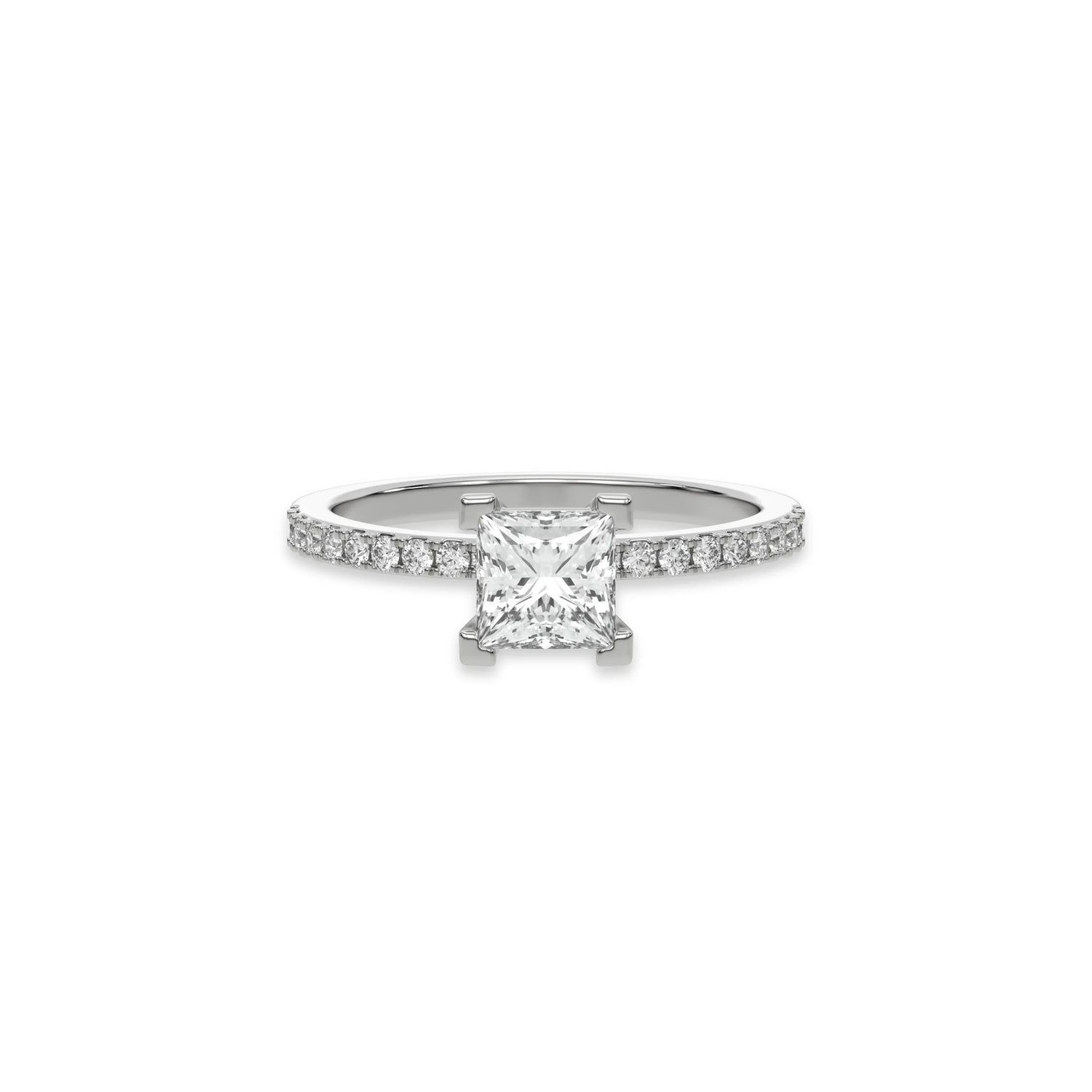
Side Stone Engagement Rings for Women
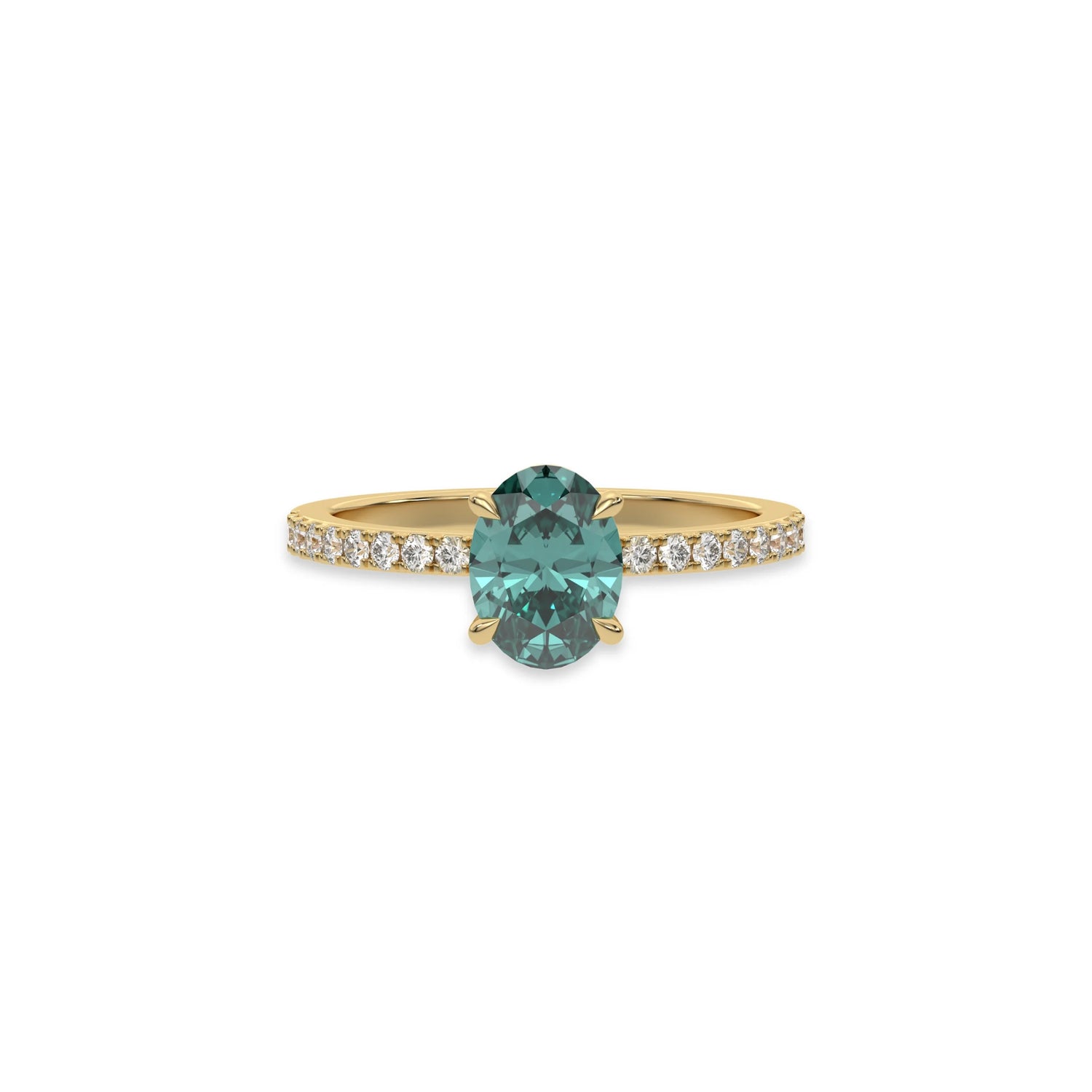
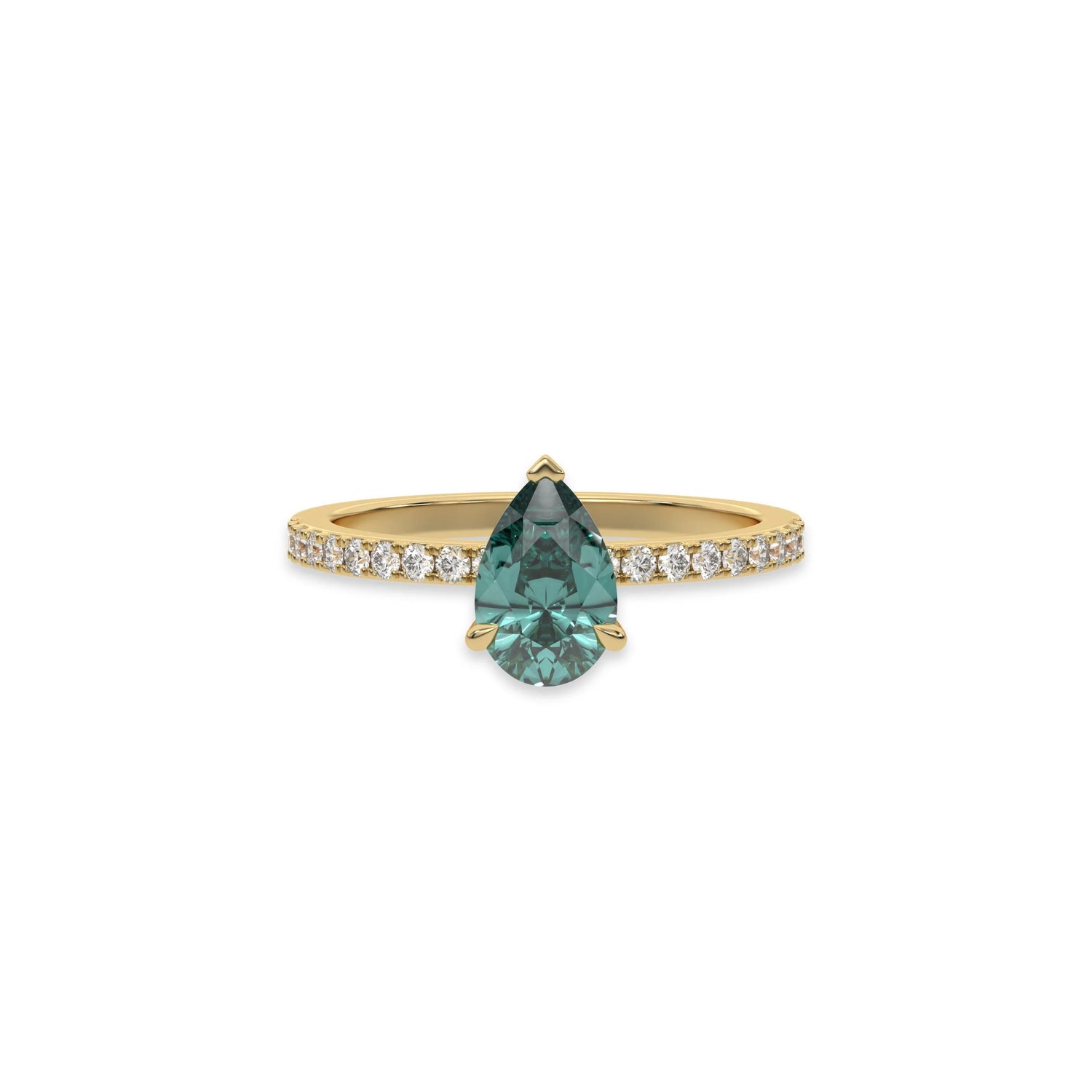
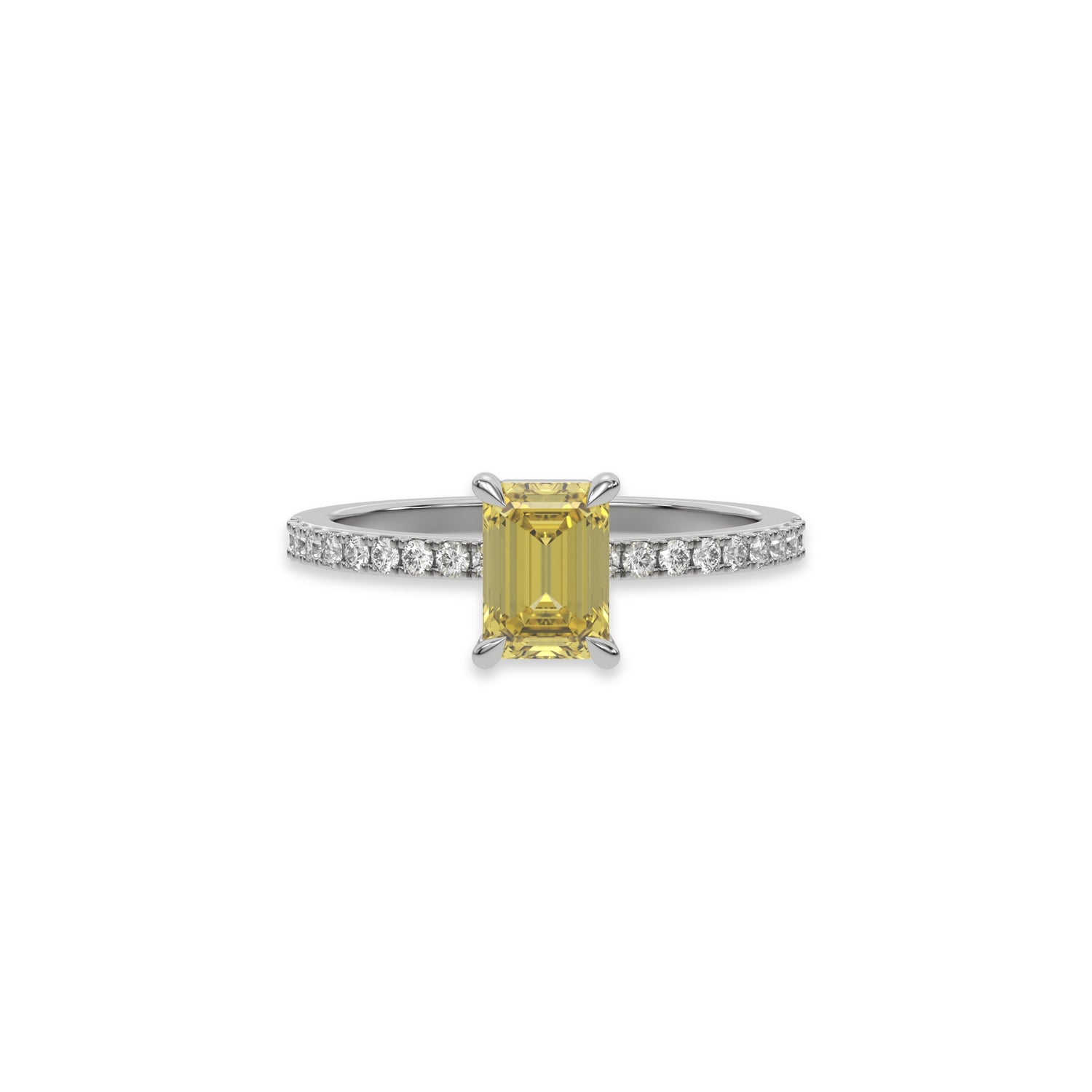
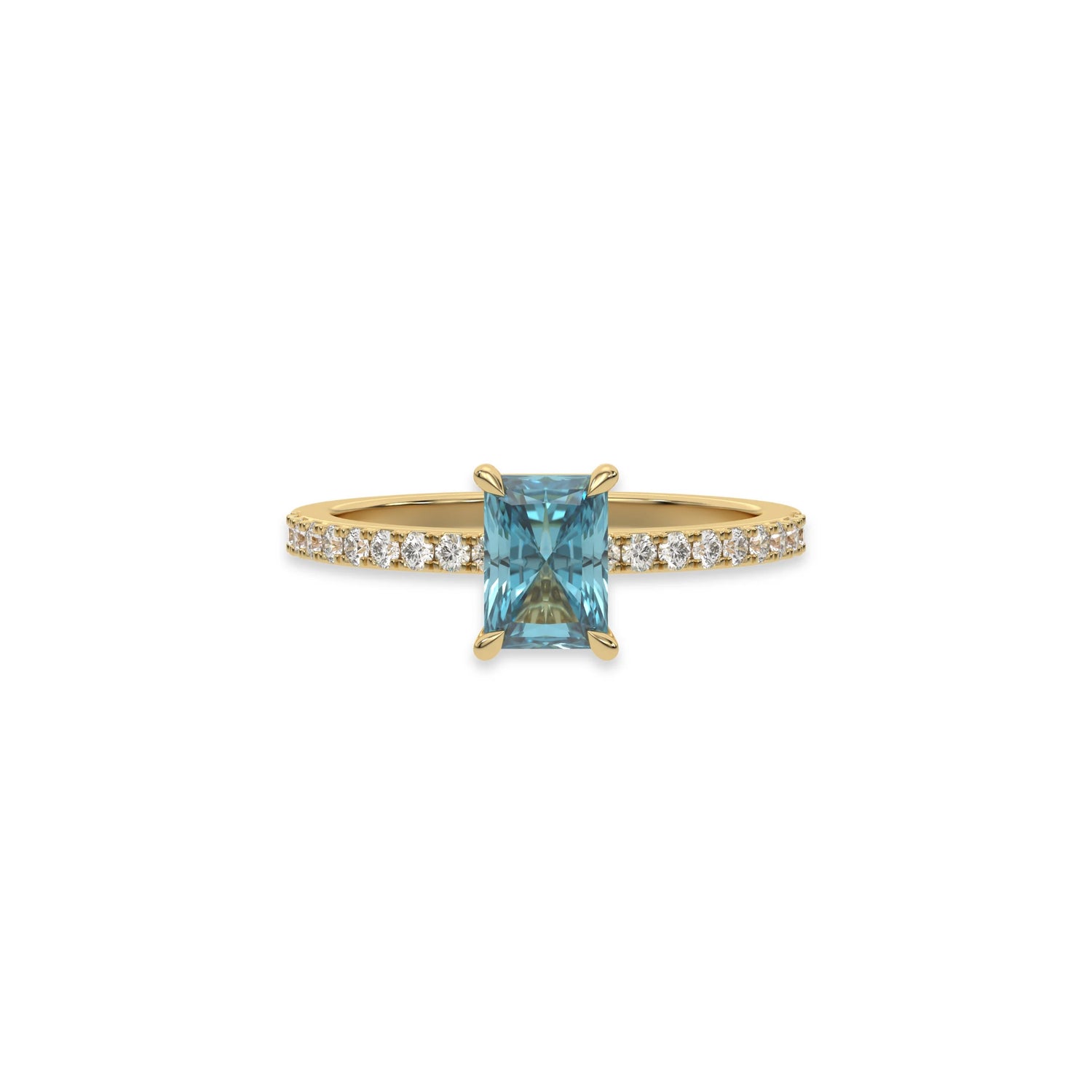
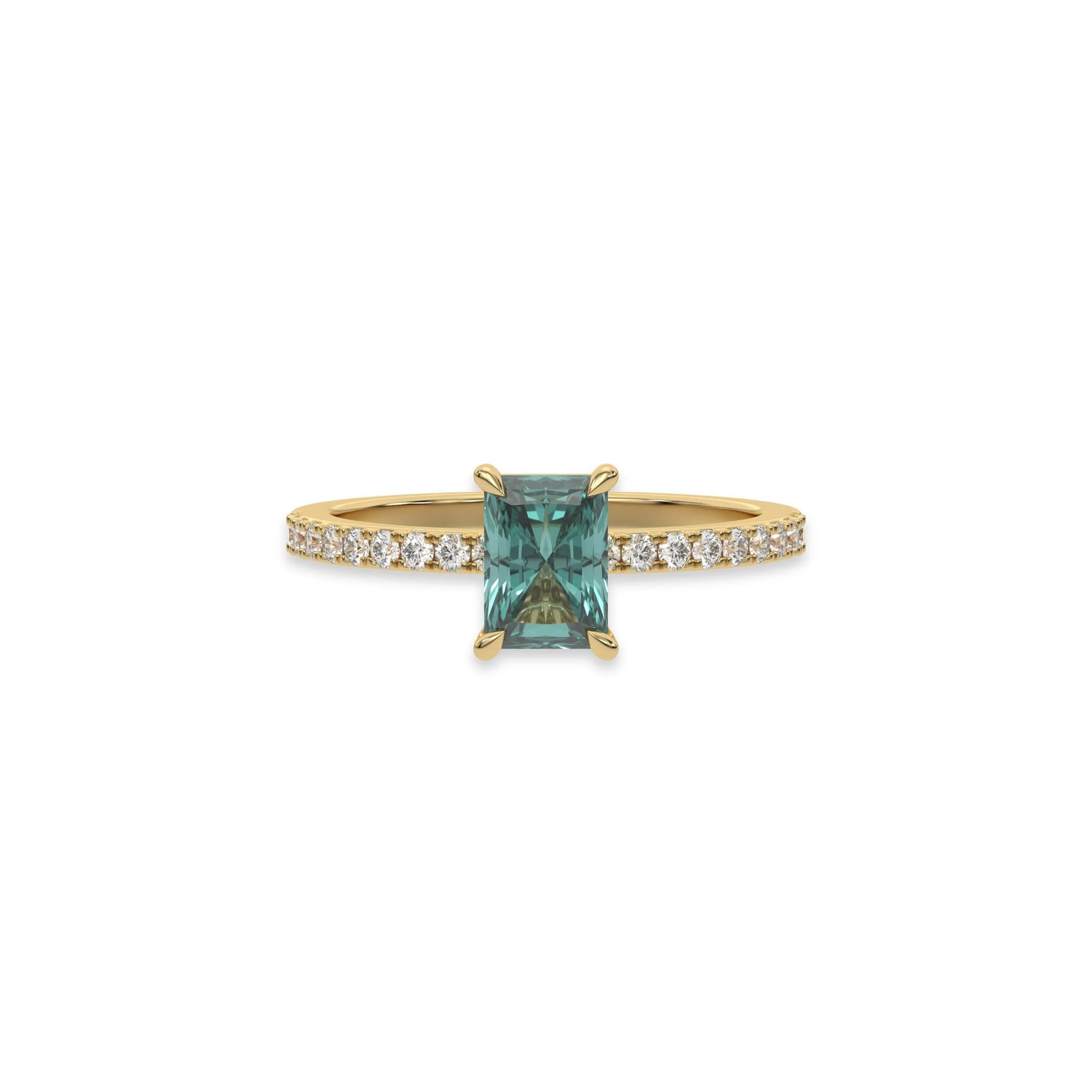
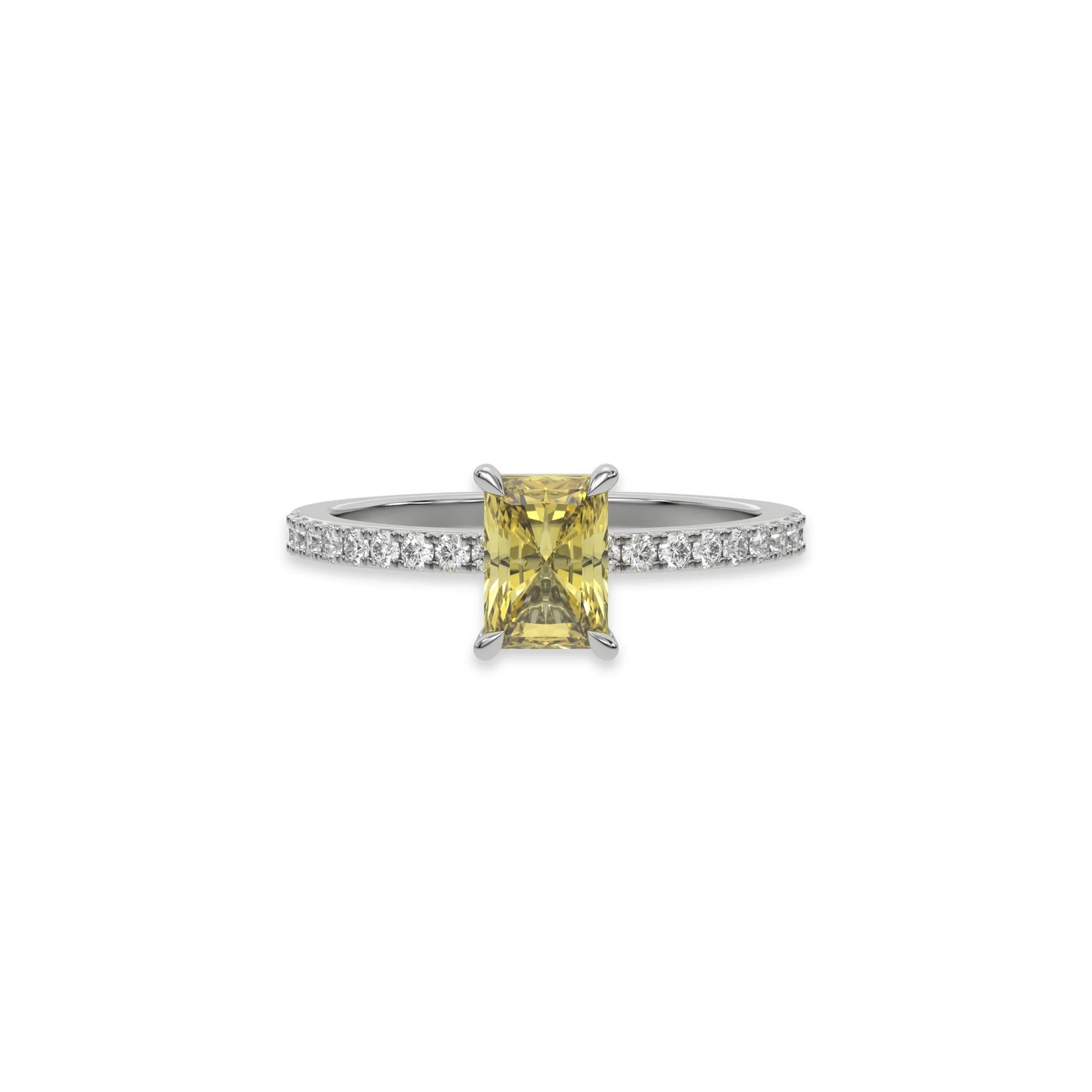
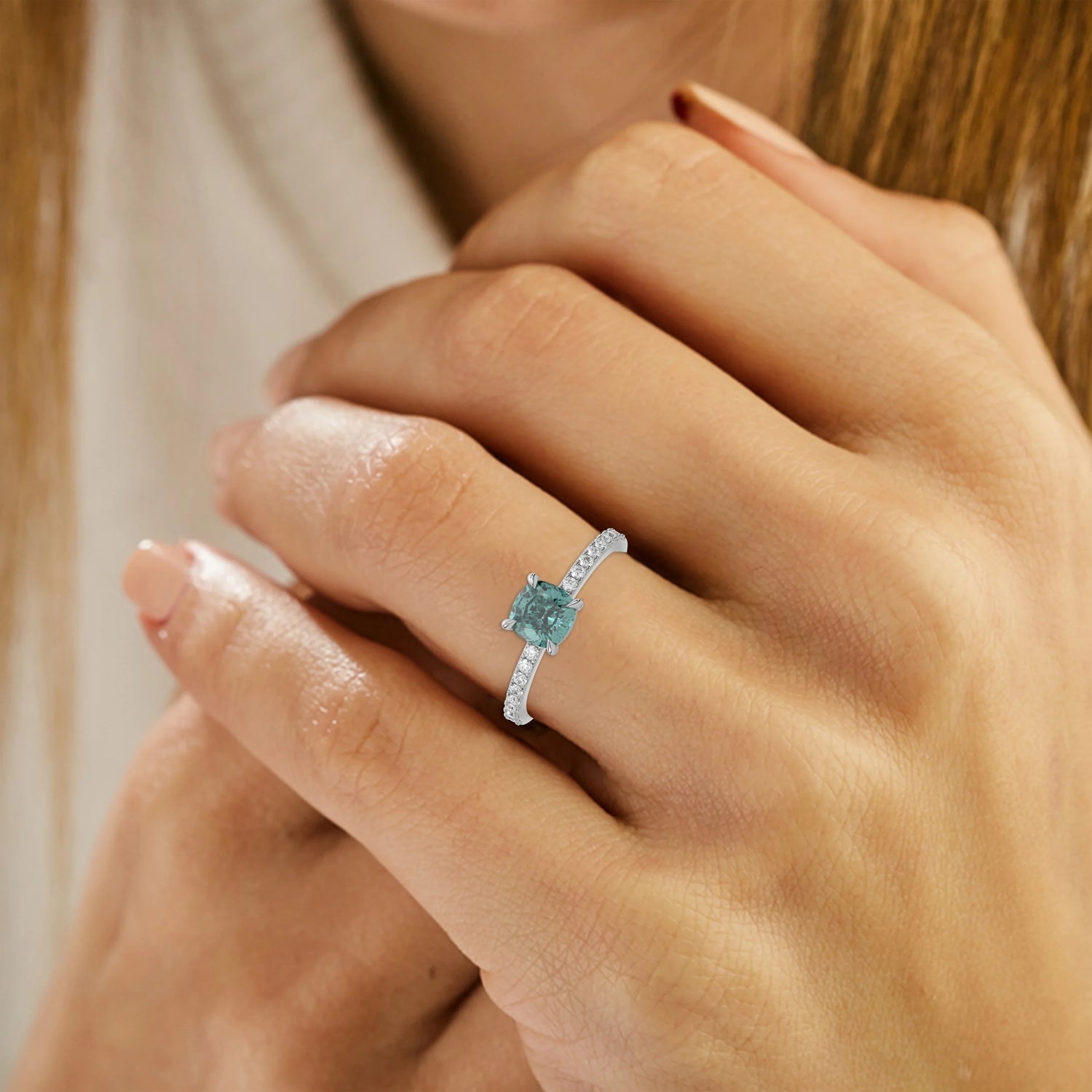
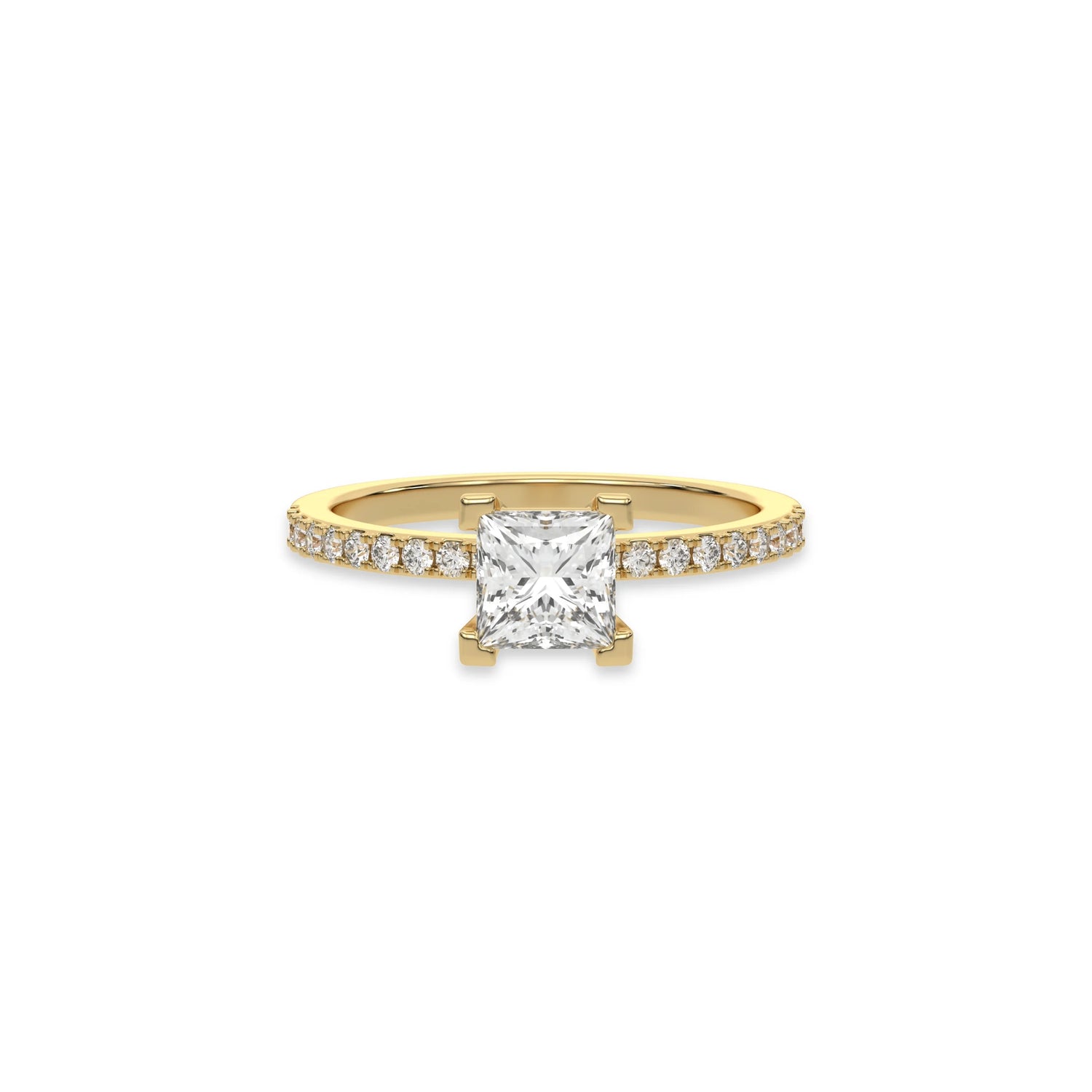
A side stone ring pairs one center diamond with smaller diamonds set on the shoulders of the band. The center stone stays the focus, and the accent stones add sparkle along the finger and make the ring look wider and fuller. This collection covers eight diamond shapes in natural, lab-grown and fancy color stones, set in 10K, 14K or 18K gold. To compare other settings first, start with all of our women's engagement rings.
What Is a Side Stone Engagement Ring?
In a side stone setting, the center diamond sits in the middle and smaller stones run down each side of the band. Those accent stones can be tiny round diamonds set in pavé, straight baguettes, or tapered baguettes that narrow toward the band. Some rings have three or four small stones on each side, and others have a full row.
It is different from a halo, which circles the center stone, and from a solitaire, which has no accents at all. If you are weighing a plain setting against one with accents, our solitaire vs three-stone ring guide shows the differences, and the side stone ring guide goes through the setting in detail.
Why Choose a Side Stone Ring
More sparkle than a solitaire. The accent stones catch light along both sides of the center diamond, so the ring keeps its shine from the side as well as from above.
A wider look. Stones on the shoulders add visual width, which suits smaller center stones and slim fingers.
Less maintenance than a halo. There are fewer small stones than in a full halo, and none of them sit right against the center diamond, so cleaning is simpler.
Room for personality. The accent stones give you ways to vary a ring: size, shape, how far down the band they run.
There are trade-offs. The accent stones add some cost, and they should be checked for looseness from time to time. If you want the plainest possible ring, a solitaire engagement ring may suit you better.
Side Stone Settings by Diamond Shape
The shape of the center stone changes how the accents sit beside it.
Round
The classic choice. A round brilliant has the most even sparkle, and small round side stones match it. Browse round diamond engagement rings for round side stone settings.
Oval
An oval looks longer on the finger and larger than a round of the same carat weight. Side stones on either shoulder balance the length. See oval cut engagement rings.
Cushion
A cushion has soft corners and a gentler, slightly vintage look. Round or baguette side stones both suit it. Our cushion cut engagement rings include side stone styles.
Emerald
The emerald cut has long step facets and a clear, glassy look. Baguette side stones echo its straight lines, which gives a clean Art Deco feel. Explore emerald cut engagement rings.
Princess
A princess cut is a square brilliant with sharp corners. Side stones soften the geometry slightly. See princess cut engagement rings.
Radiant, Pear and Marquise
A radiant has trimmed corners and brilliant faceting. Pear and marquise are elongated shapes with points, and both look larger than their carat weight. Side stones on either side give them a stable base. Browse radiant cut, pear shape and marquise rings.
Natural, Lab-Grown or Fancy Color
You can choose a side stone ring with any of three diamond types.
Natural diamonds are mined, and many buyers prefer them for their origin. See our natural diamond engagement rings.
Lab-grown diamonds have the same chemical makeup and look as natural ones and usually cost less per carat, so the same budget often buys a larger center stone or more accent diamonds. Browse lab-grown diamond engagement rings, or read our lab vs natural diamond guide.
Fancy color diamonds come in pink, yellow, blue and green. A colored center stone with white diamonds on the shoulders makes the color stand out. See our colored lab diamond engagement rings.
Choosing the Metal
Our side stone rings are made in solid 10K, 14K or 18K gold, in yellow, white or rose.
White gold gives a bright, silver-white look that keeps the diamonds crisp. It is rhodium plated, so it may need replating after some years. Yellow gold adds warmth and suits traditional settings. Rose gold has a soft pink tone and is a little tougher because of its copper content.
Higher karat means more gold and richer color. Lower karat is harder and costs less. See our 14K vs 18K gold guide and the engagement ring metals guide. If you are considering platinum, the platinum vs gold guide explains how it compares.
Pairing a Side Stone Ring With a Wedding Band
Because the shoulders already carry diamonds, the wedding band needs a little thought.
Start with our women's wedding bands. If you want the two rings to match, read what a bridal set is and our guide to vintage bridal sets, or see how to choose a wedding band for your engagement ring.
How to Choose Your Side Stone Ring
- Shape. It sets the outline of the ring and how the accents sit.
- Accent style. Round pavé stones look sparkly. Baguettes look sleek and structured.
- Diamond type and size. This sets the budget. Our guide to deciding an engagement ring budget can help.
- Metal. Match it to the jewelry she already wears.
- Ring size. Use our size guide, and read our returns and exchange policy before ordering.
For more on how accents are held, our guides to the pavé setting and engagement ring settings cover prongs, channels and care.
Find Your Side Stone Ring at Diagaa
If you know the shape you want, go straight to it from the list above. If you are still deciding, start with our engagement ring buying guide, then browse every side stone ring in the collection and filter by shape, diamond type and metal. For questions about a specific ring, use our contact page.