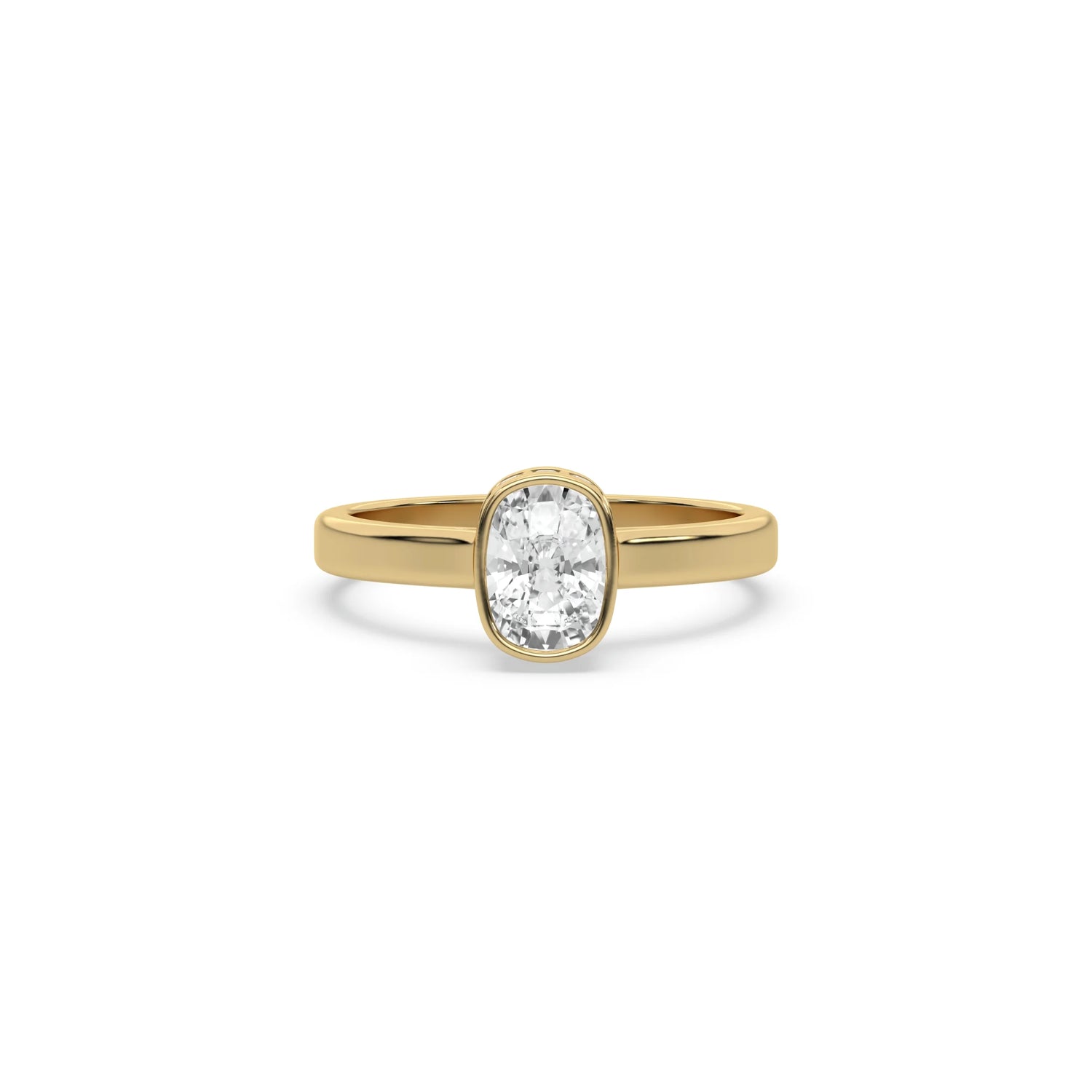
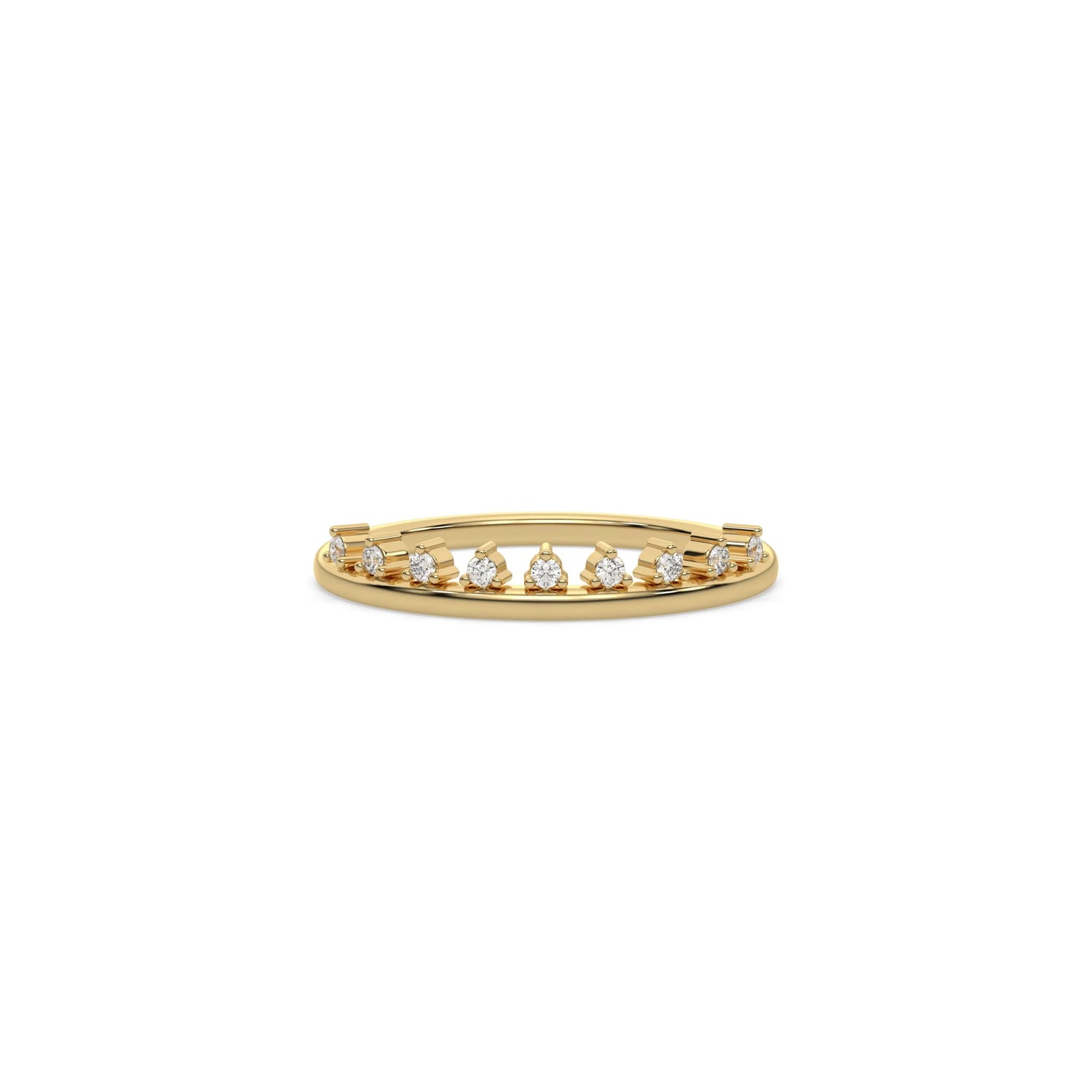
Lab-Grown Diamond Rings for Women
A lab-grown diamond is a diamond grown in a laboratory instead of mined. It has the same crystal structure, hardness and sparkle as a mined stone, and it usually costs less for the same size and grade. This collection includes engagement rings, wedding bands, eternity rings and fashion rings, with prices starting under $500. Every single lab diamond of 1 carat or more comes with an IGI grading report.
How Lab Diamonds Are Grown
Two methods are used, and both produce real diamond.
CVD (chemical vapor deposition). A thin diamond slice, called a seed, sits in a chamber filled with carbon-rich gas. The gas is heated until carbon atoms settle on the seed and build it up, layer by layer, over several weeks.
HPHT (high pressure, high temperature). A seed is placed in carbon and squeezed under very high pressure and heat, similar to the conditions deep in the earth, until a crystal forms.
Once grown, the rough crystal is cut and polished exactly like a mined diamond. Neither method is better than the other for a finished ring. Our guide on how diamonds are made covers both, and what you need to know before buying lab diamonds is a good second read.
IGI Certification
Any single lab-grown diamond of 1 carat or more in our rings is certified by IGI, an independent gem laboratory. The report gives the stone's carat weight, color grade, clarity grade and measurements, a cut grade where the lab assigns one, and a statement that the diamond is laboratory grown.
That makes 1 carat a useful line when you shop. If you want a stone you can check against a grading report, choose a center diamond of 1 carat or above. For smaller stones, check the product page for what is included, or contact us. We typically reply within 24 hours.
Lab-Grown Rings by Type
Engagement rings. The most popular use for lab diamonds, because the saving goes into a bigger or better center stone. See lab-grown diamond engagement rings and the lab-grown engagement ring guide.
Wedding bands. Rows of smaller lab diamonds across the top of the band. See lab-grown diamond wedding bands.
Eternity rings. Stones set all the way around, where the lower price per carat adds up quickly. See lab-grown diamond eternity rings.
Fashion rings. Clusters, stackers and everyday designs. See lab-grown diamond fashion rings.
Colored lab diamonds. Pink, yellow, blue and green stones, which are rare and costly as mined diamonds. See colored lab diamond engagement rings.
For men, we also carry lab-grown diamond rings for men.
Choosing a Carat Size
Lab-grown pricing means many buyers look at sizes they would not consider in a mined diamond.
- Under 1 carat. Delicate and easy to wear every day. Good for bands, fashion rings and smaller engagement rings.
- 1 carat. The classic engagement ring size, and the size at which a single lab diamond comes with an IGI report. Our guide on what a 1 carat diamond ring costs gives current price ranges.
- 2 carats. A noticeably larger stone that still sits comfortably on most hands.
- 3 carats and above. A statement ring. Proportions and setting matter more at this size, which the 3 carat engagement ring guide explains.
Carat is only one of four grades. Cut does the most for brightness, so read the guide to diamond cut grades before trading cut for size.
What Lab-Grown Rings Cost
Price depends on carat weight, cut, color, clarity, the number of stones and the gold you choose. A small solitaire or a slim band can cost under $500, and our range includes lab-grown rings at that price. A 2 or 3 carat center stone costs more, though usually much less than a mined diamond of the same grade.
If you want something that is not in the collection, you can ask about a custom design.
Lab-Grown or Natural?
The two look the same, and a jeweler needs lab equipment to tell them apart. The differences are origin, price and resale.
- A mined diamond comes from a limited supply and costs more per carat.
- A lab-grown diamond costs less, so the same budget buys a larger or higher-grade stone.
- Lab-grown diamonds generally have little resale value. Buy one because you want to wear it, not as an investment.
If origin matters most to you, see our natural diamond rings for women. For a fuller comparison, read lab-grown vs natural diamonds for engagement rings.
Lab-grown diamond is also different from moissanite, which is a separate mineral that looks similar. Our moissanite vs lab-grown diamond guide explains how they differ.
Cleaning Your Ring
A lab diamond needs the same care as a mined one. Soak the ring in warm water with a drop of mild dish soap, brush gently behind the stone with a soft toothbrush, rinse and dry with a lint-free cloth. Skip bleach and chlorine, which can harm the gold. Our guide on how to clean a diamond ring and the care guide have more detail.
Before You Order
Check your ring size with our size guide, and read the returns and exchange policy so you know your options if the fit is wrong.
Find Your Lab-Grown Diamond Ring
Decide on the type of ring first, then the carat size, since 1 carat is where IGI certification begins. When you are ready, browse every lab-grown diamond ring for women in the collection.